/0x529:2400x2060/prod01/channel_34/media/seattle-university/news--stories/images/Kevin-Eggers-TOW-movie-screen.jpeg)
A prolonged legal fight by Seattle University alum Kevin Eggers to help a homeless client reclaim her car—and her life—becomes the inspiration for Tow, a new film starring Rose Byrne.
Imagine doing your job working in consumer law in a tiny two-person shop in Seattle and encountering a case that, on the surface, seemed pretty cut and dry. But then visualize that case taking some wild turns—with a tough and resilient client at its heart and a lawyer unwilling to give up—that seemed tailored made for a Hollywood treatment. Think “Based on a True Story” that is compelling, full of heart and more fact than fiction.
Meet Kevin Eggers, ’11, the lawyer in this story, who is a former Truman Scholar and Student Body President at Seattle University. He was not long out of law school at the University of Washington when he took a case that would ultimately lead him to where he is today as executive producer and consultant on an new indie movie, Tow, headed by top TV and film stars including Rose Byrne, Octavia Spencer and Dominic Sessa, who plays Eggers.
At the heart of this story is Eggers’ client Amanda Ogle (played by Byrne) and her real-life, years-long struggle that began in 2017 to get her car back after it was stolen, abandoned and then towed by a large Seattle towing company. It was when she went to the tow yard to retrieve her car that the real battle began. Unable to pay the nearly $500 in fees she pleaded her case with the tow company to no avail. Instead of resigning herself to a reality of never seeing her car again Ogle, who was homeless at the time and often lived in her car, filed a challenge against the company. Though she ultimately prevailed at the hearing—with the court ordering they return to the car—the towing company refused.
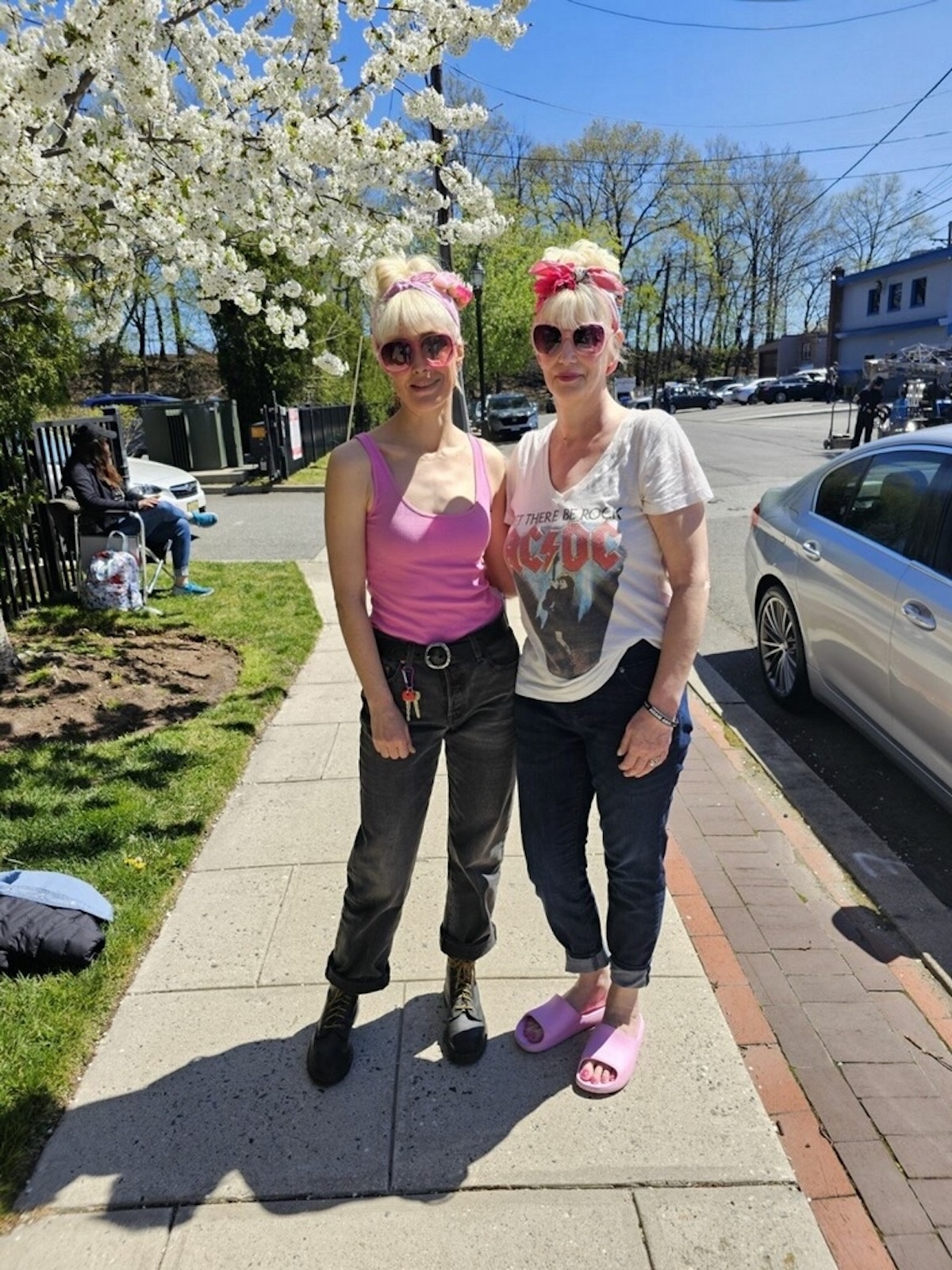
Art imitating life: Actress Rose Byrne (left) and Amanda Ogle.
Even though she had scored something of a victory Ogle needed additional legal assistance when the company dug in and defied the court order. In 2018 she reached out to the Northwest Consumer Law Center where Eggers was one of two consumer law attorneys who helped clients in need on a variety of consumer-related cases. On its face, and equipped with the court order, Ogle’s case seemed straightforward. Eggers sent the towing company a letter noting the judge’s order and asking for damages. The tow company still refused and responded that Ogle could get her car back if she agreed to release any claims of liability.
Unfortunately, this was only the start of what became a protracted legal fight. Though the car was not worth much, it meant everything to Ogle and she wasn’t willing to let it go. After first telling her that the car was no longer at the tow lot—which was disproven by Eggers himself when he rode his bike to the lot and took pictures of the very vehicle in question—the company’s lawyer then said she would have to pay more than $21,000 to get her car back, fees and fines that racked up for the months it was at the tow yard.
“She just wanted her car back. But we were at a standstill as the tow company said they weren’t giving the car back until she paid storage fees,” says Eggers. “They were trying to extort a homeless woman.”
While frustrated by the antics of the other side’s attorney, who Eggers says repeatedly failed to show up for court hearings and who was emphatic in a phone call that Ogle would have to pay the storage fees to get her car back, Eggers continued to show up for Ogle and filed multiple pleadings to resolve the case. Ultimately, their perseverance paid off as the tow company was held in contempt and ordered by a judge to return the car to Ogle immediately or incur $2,000 a day to be paid to the court until the car was back in her possession.
Even after Ogle got her car back, Eggers was beyond bothered by the unnecessary toll that was put on Ogle and wanted to draw attention to similar cases such as this as well as shed light on how Ogle’s situation is far too common—swap out a towed car for a shady debt collector or a company trying to bully someone out of their consumer rights. He took action.
“I contacted someone at the Northwest Justice Project who said, ‘you should call [Seattle Times columnist] Danny Westneat and utilize the press,’” Eggers recalls. “He reached out very quickly and interviewed me and Amanda and it really took off from there. It blew up for the Seattle Times and then a friend alerted me that she heard about the case on NPR.”
Soon Eggers’ phone was ringing off the hook with people in need of help, media looking for interviews and others wanting to capitalize on Ogle’s story. Among the calls was one from a Hollywood screenwriter who wanted to turn this inspiring story into a movie. Once realizing this guy was legit (some of those reaching out were not), Eggers and Ogle met with Jonathan Keasey, who walked them through the process that goes into making a movie and the challenges ahead—from the screenplay getting picked up to securing financing and a distribution deal.
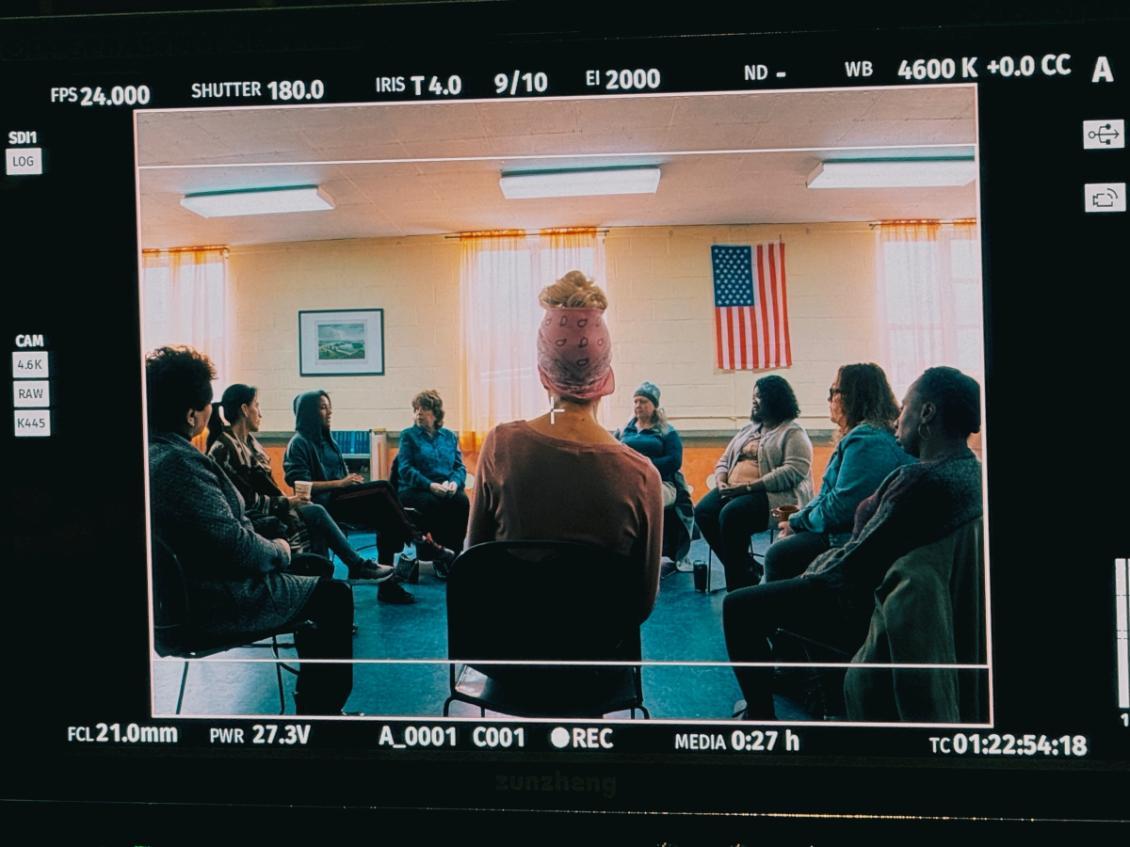
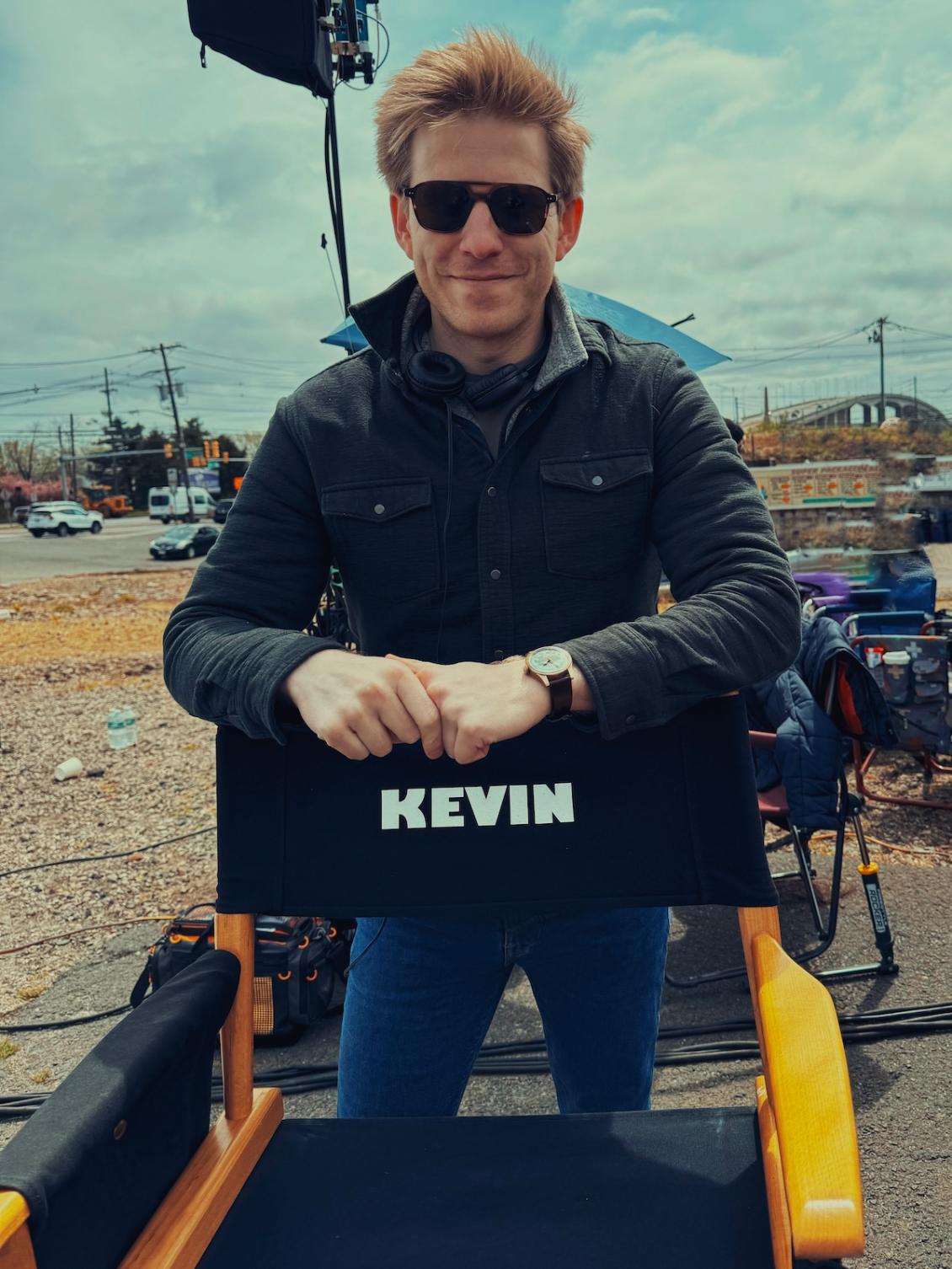
Lights, camera, action: Kevin Eggers on set.
Ogle and Eggers were on board, knowing that even with a good story and script, there was no guarantee the film would ever be made. Before long the wheels of movie-making were rolling, first with Ogle being paid for her life rights, followed by the screenwriter lining up a Seattle area production company to board the project. But like the story the movie is based on, a few obstacles complicated things: First COVID and then the Hollywood writer’s strike. Everything was put on hold and Tow nearly got cancelled three different times.
But like Ogle and Eggers, the film pushed through the challenges. The script continued to circulate around Hollywood, ultimately finding its way to award-winning actress Byrne and director Stephanie Laing, who were moved by Ogle’s story. With their backing the movie entered production in 2024. The 40-day shoot took place mostly in New Jersey along with some scenes shot in Seattle—mostly of iconic landmarks like the Space Needle and Gasworks Park. Eggers, who served as executive producer while still practicing law, was able to sit in on some of the shoots alongside Ogle.
“It was a really, really quick shoot and on a tight budget. Rose is a very busy actor who gave air and voice to Amanda’s story,” says Eggers. “It meant so much to Amanda and I that we were able to do some scenes in Seattle.”
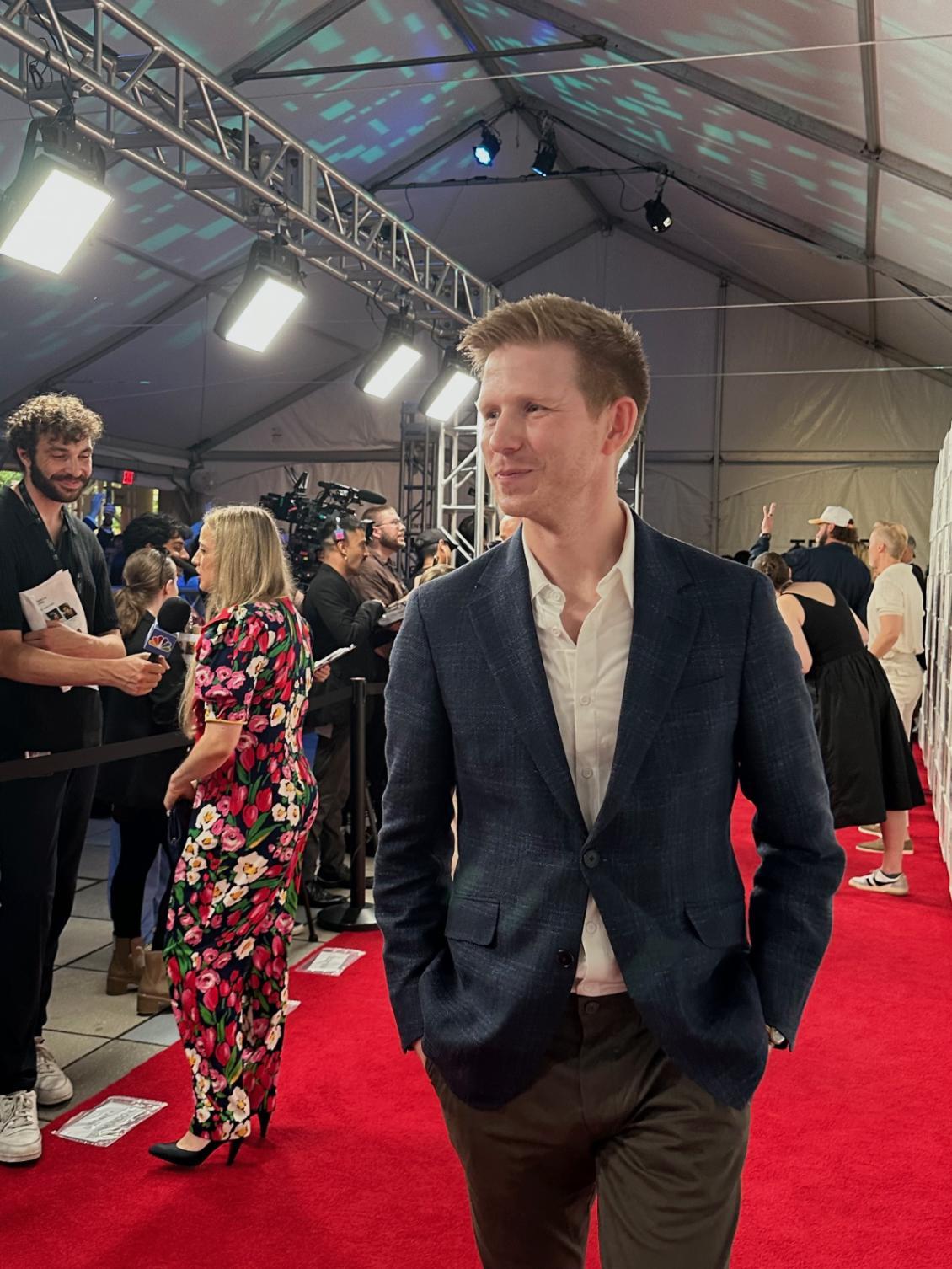 Kevin Eggers walks the red carpet at the Tribeca Film Festival.
Fast forward to today and the movie opened to limited theatrical release on March 19 followed by its official Seattle debut on March 20 at SIFF Cinema Uptown. Distributed by Roadside Attractions, Tow officially made its world premiere at last year’s Tribeca Film Festival in New York City.
Now that the movie is opening to wider audiences Eggers says he feels incredibly lucky and fortunate to be part of a story that far too many people will relate to. “A lot people do this kind of work but don’t get a movie. And there are other people, like Amanda, who need this kind of help but don’t get any representation."
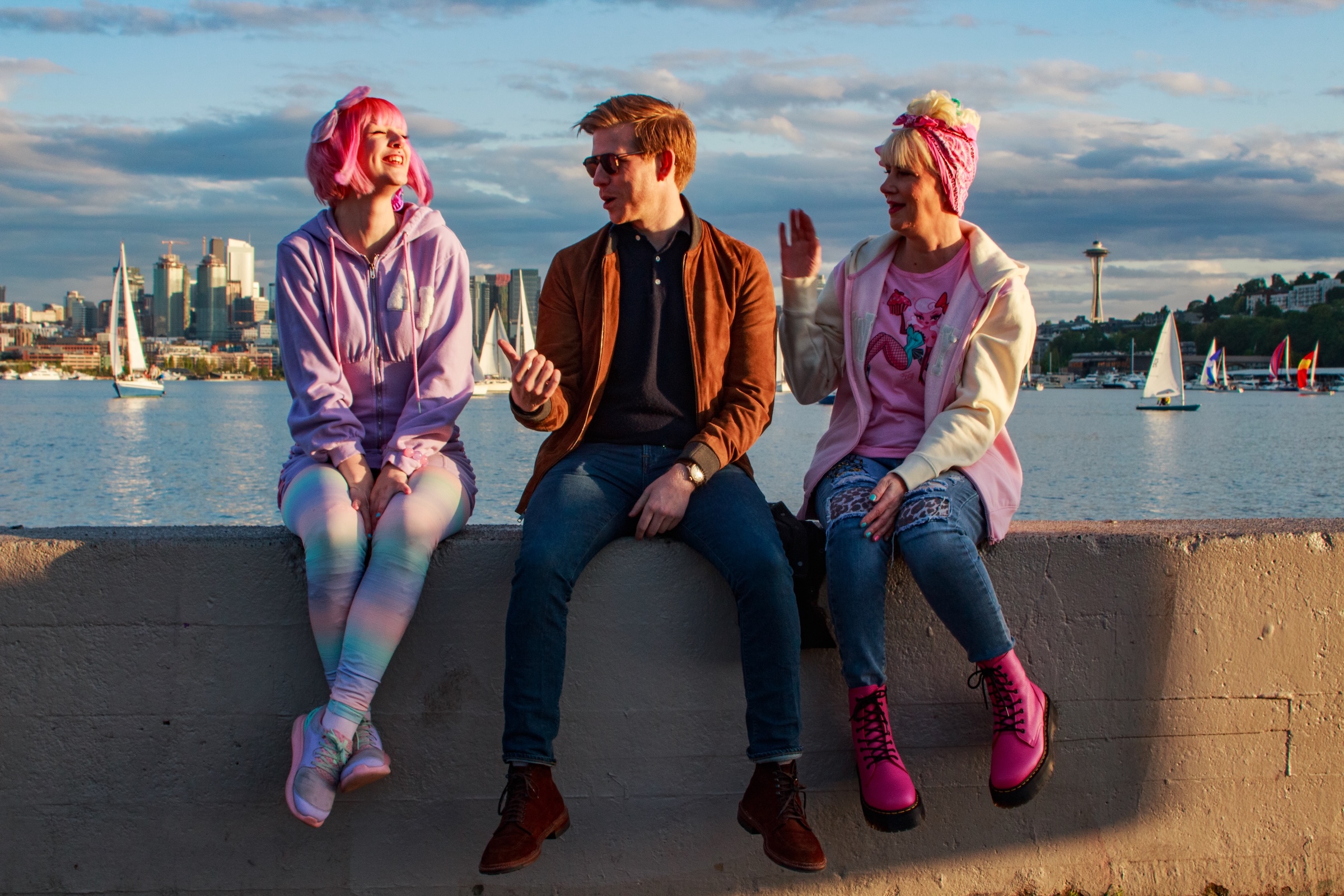
Kevin Eggers with Amanda Ogle and her child Avery Ogle in Seattle. (Photo by Sienna Stiefel)
Eggers continues: “This movie isn’t necessarily about the ‘little person takes on the big guy.’ Yes, Amanda got her car back and although it was worth maybe $100 it meant everything. This is about those little triumphs that are worth celebrating.”
But it’s also a cautionary tale.
“There are companies that are bullies, that make (life) difficult and harder to help individuals who have fallen on hard times. This could happen to anyone in your family or it could happen to you,” he says. “A lot of people are just one paycheck away from where Amanda was.”
For Eggers, the knowledge he gained as an undergraduate student at SU and then as a Truman Scholar, which provides funding support for graduate school in public service and helped fund his law education, is still drawn upon in his professional life and in taking on cases that aim to improve the lives of others like Ogle. (Following his time at the Northwest Consumer Law Center, he clerked for the Washington State Appeals Court and most recently as a lawyer in the Attorney General’s Office.) Beyond the bright lights of Hollywood, this is why he does what he does—for the common good.
“All of this confirms that I made the right choice to go into public service. Getting the Truman Scholarship was a reinforcement that this is what I was supposed to do.”
Similar News & Stories
-
/0x348:800x853/prod01/channel_34/media/seattle-university/news--stories/images/Blessing-Animal-priest-with-brown-dog-800X1200.jpeg)
Bless the Animals
SU NewsEvent celebrates the Feast of St. Francis of Assisi and anniversary of the Chapel of St. Ignatius. -
/73x0:1058x622/prod01/channel_34/media/seattle-university/news--stories/images/Provost-campus-shot-1130X622.jpeg)
SU Names New Associate Vice Provost
SU NewsDr. Mason M. Moore will also serve as Chief of Staff for the provost. -
/0x74:2386x1581/prod01/channel_34/media/seattle-university/news--stories/images/Student-Spotlight-Dunston1(1)-copy.jpeg)
Peak Performance
SU NewsBrenna Dunston’s research on effects of shoelace tension on athletic outcomes helped earn her a Provost’s Award.